For devices running Android 4.1.2 (Jelly Bean) , the standard Facebook app from the Google Play Store is no longer supported, as current versions generally require Android 6.0 or higher
Android 4.1.2, released in late 2012, was the peak of the "Jelly Bean" era. At the time, the official Facebook app was a fraction of its current size, but as the platform evolved, the app became notoriously heavy, resource-intensive, and eventually incompatible with older operating systems. The Challenge: "The Blue Wall"
The pursuit of a represents a common challenge for users maintaining legacy hardware in a rapidly evolving software ecosystem. As of 2026, official support for such dated operating systems has largely vanished, necessitating a dive into the history of mobile social media and the technical workarounds used to keep older devices connected. The Obsolescence of Android 4.1.2
When Android 4.1.2 Jelly Bean launched, it was the peak of mobile innovation. At this time, the Facebook app was a unified beast—it didn't just show your feed; it handled your messages, photos, and groups all in one place. Developers targeted (the technical name for Android 4.1), and the APKs were relatively small, often under 50MB. The Software "Weight Gain"
НАМ ВАЖНО ВАШЕ МНЕНИЕ
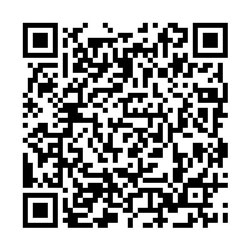
Оцените качество нашей работы тут, отсканировав QR-код или перейдя по ссылке.
Заказать карточку
"Электронный рецепт" ONLINE

Стол справок регистратуры:
(8-017) 379-55-77
(многоканальный)
(8-044) 553-38-13
Вызов врача на дом:
(8-017) 364-57-37
(многоканальный)
(8-044) 553-38-14
Телефон «горячей» линии
поликлиники:
(8-017) 396-70-00
с 08.00-17.00
обед с 13.00-14.00
Платные услуги
+375 (17) 378-43-57
E-mail: uz@7gdp.by




















ВНИМАНИЕ!
С 1 октября 2025 года проводится
ВАКЦИНАЦИЯ ПРОТИВ ВИРУСА ПАПИЛЛОМЫ ЧЕЛОВЕКА (ВПЧ)
Вакциной «ЦЕКОЛИН» (пр-ва КНР) ДЕВОЧЕК 11-ЛЕТНЕГО ВОЗРАСТА (2014 г.р.)
Для вакцинации на бесплатной основе в поликлинике необходимо:
- пройти осмотр у врача-педиатра участкового;
- обратиться непосредственно за вакцинацией в процедурный кабинет №216: понедельник-пятница с 9.00 до 19.00.
Для вакцинации на бесплатной основе в учреждении образования необходимо:
- дать согласие для проведения вакцинации;
- вакцинироваться в медицинском кабинете учреждения образования
Уважаемые родители!!!
В соответствии с приказом МЗ РБ от 17.01.2025 №46 "Об организации работы о проведении иммунизации населения в автоматизированной информационной системе "Отчет" просим предоставлять идентификационный номер паспорта или свидетельства о рождении ребенка для внесения прививки в программу АИС "Отчет".
ОПРОС по гриппу сезон 2025-2026
Узнай и помоги понять: ВРЕД или ПОЛЬЗА
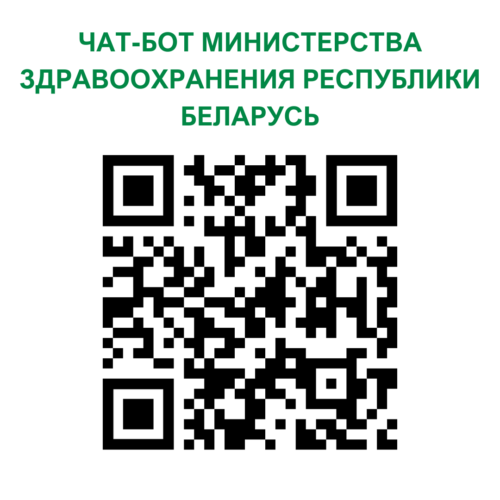
 16000 подростков по всей стране участвуют в исследовании особенностей цифрового поведения современных подростков для оценки факторов риска нарушений здоровья, связанных с использованием цифровых устройств (проводится Министерством здравоохранения)
Если тебе от 15 до 17 лет
ПРИСОЕДИНЯЙСЯ! АНОНИМНО пройди анкетирование. Наведи камеру на QR-код или перейди по ссылке
© 2025 Учреждение здравоохранения «7-я городская детская поликлиника г. Минска»
Дата последнего обновления информации на сайте 10.12.2025
For devices running Android 4.1.2 (Jelly Bean) , the standard Facebook app from the Google Play Store is no longer supported, as current versions generally require Android 6.0 or higher
Android 4.1.2, released in late 2012, was the peak of the "Jelly Bean" era. At the time, the official Facebook app was a fraction of its current size, but as the platform evolved, the app became notoriously heavy, resource-intensive, and eventually incompatible with older operating systems. The Challenge: "The Blue Wall"
The pursuit of a represents a common challenge for users maintaining legacy hardware in a rapidly evolving software ecosystem. As of 2026, official support for such dated operating systems has largely vanished, necessitating a dive into the history of mobile social media and the technical workarounds used to keep older devices connected. The Obsolescence of Android 4.1.2
When Android 4.1.2 Jelly Bean launched, it was the peak of mobile innovation. At this time, the Facebook app was a unified beast—it didn't just show your feed; it handled your messages, photos, and groups all in one place. Developers targeted (the technical name for Android 4.1), and the APKs were relatively small, often under 50MB. The Software "Weight Gain"