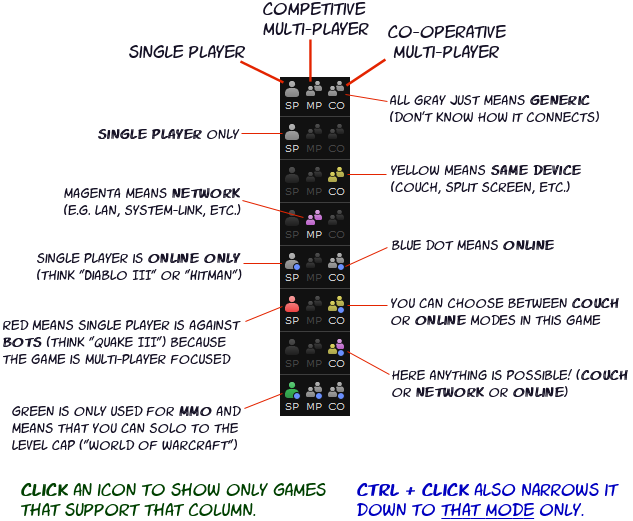
Modes Column
Indonesian literature has a rich and diverse history, with many notable authors having made significant contributions to the country's literary scene. Some famous Indonesian authors include:
With over 270 million people, hundreds of ethnic groups, and the world’s largest Muslim population, Indonesia presents a unique case study in popular culture. For decades, the New Order regime (1966–1998) tightly controlled media, promoting a nationalist, sanitized, and development-oriented culture. The 1998 Reformasi unleashed a torrent of creative freedom, commercial competition, and regional and global cultural imports. Today, Indonesian entertainment is a vibrant, chaotic, and rapidly changing ecosystem. This paper explores three central questions: (1) How have traditional forms like dangdut and keroncong adapted to modernity? (2) What role has television played in creating a national popular culture? (3) How are digital platforms and transnational fandoms (especially K-pop) reshaping Indonesian youth culture? The methodology is a qualitative review of secondary sources, media analysis, and industry reports.
Wayang kulit, in particular, remains a beloved cultural icon. The puppeteer, or dalang, uses intricately carved leather puppets to tell stories, accompanied by a gamelan orchestra. This tradition has influenced modern Indonesian storytelling, emphasizing the battle between good and evil and the importance of moral values. The Rise of Indonesian Cinema
This web site makes extensive use of JavaScript.
Please enable JavaScript in your web browser and then refresh this page.