


John J. Macionis was born and raised in Philadelphia, Pennsylvania. He began studying engineering at Cornell University before majoring in sociology and earning a bachelor’s degree. John received a doctorate in sociology from the University of Pennsylvania.
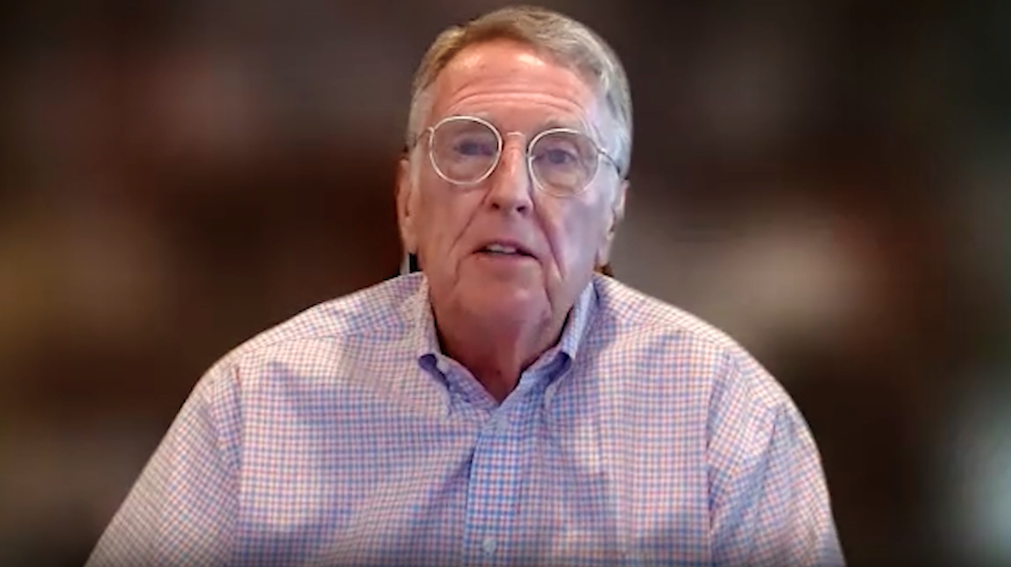
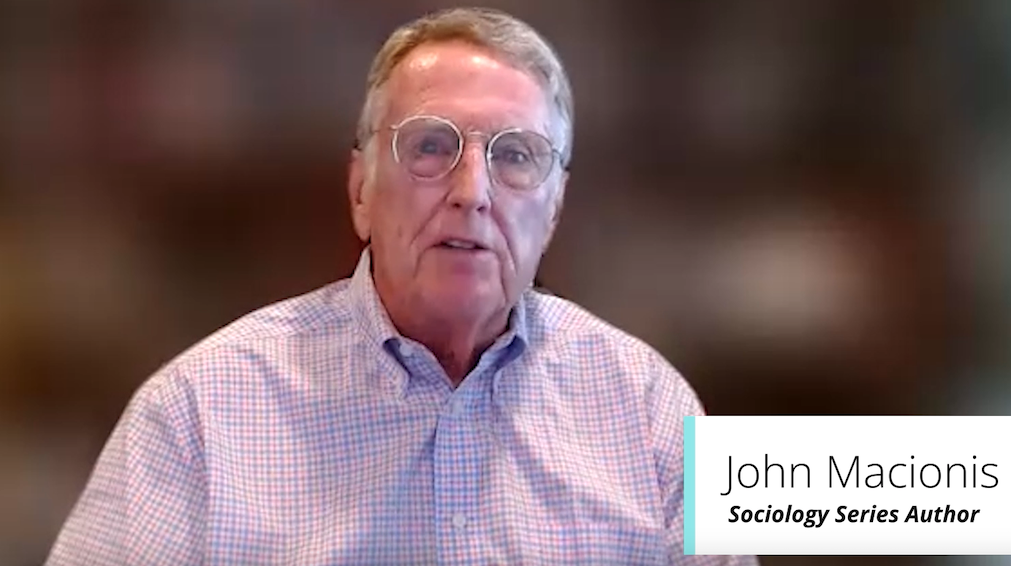
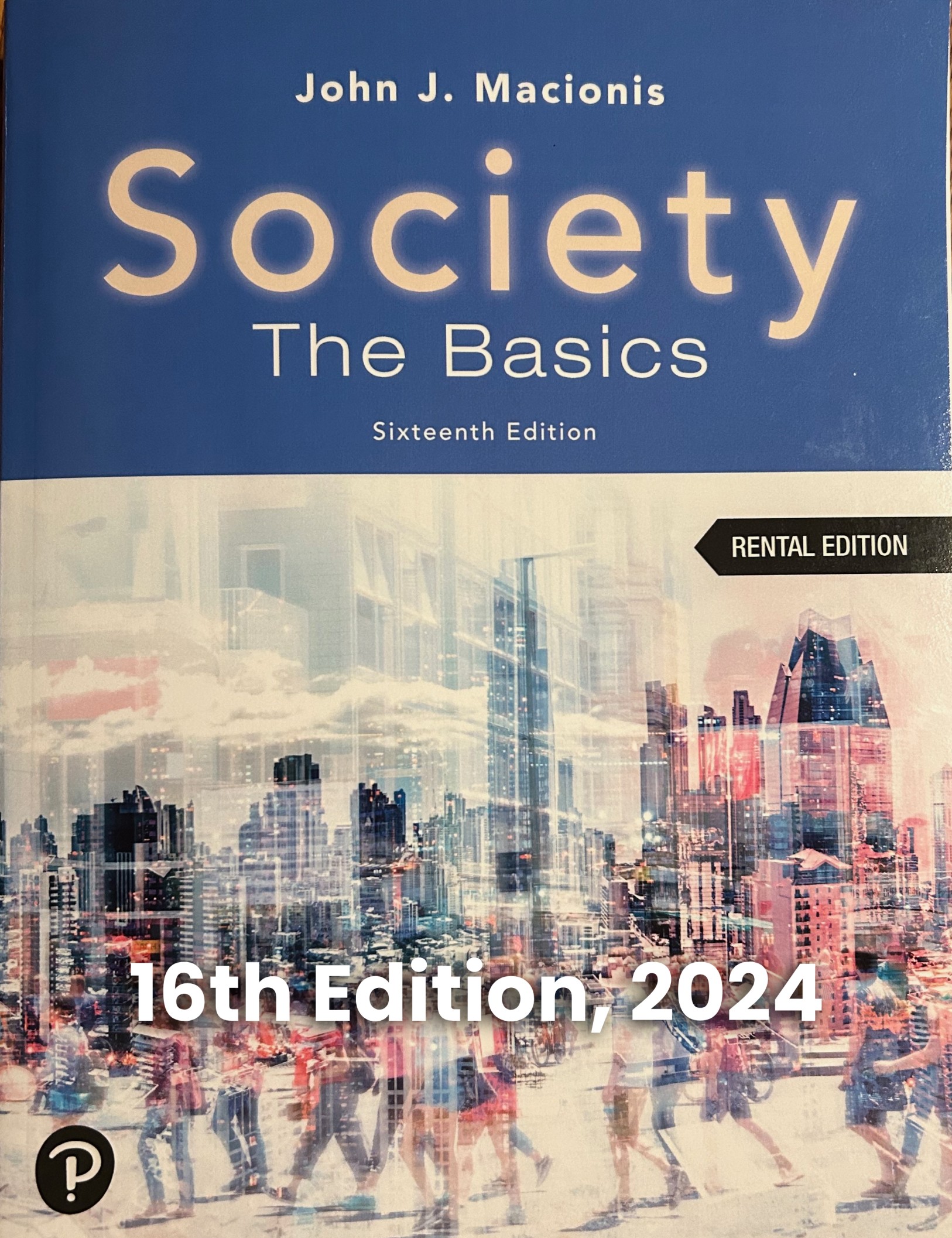
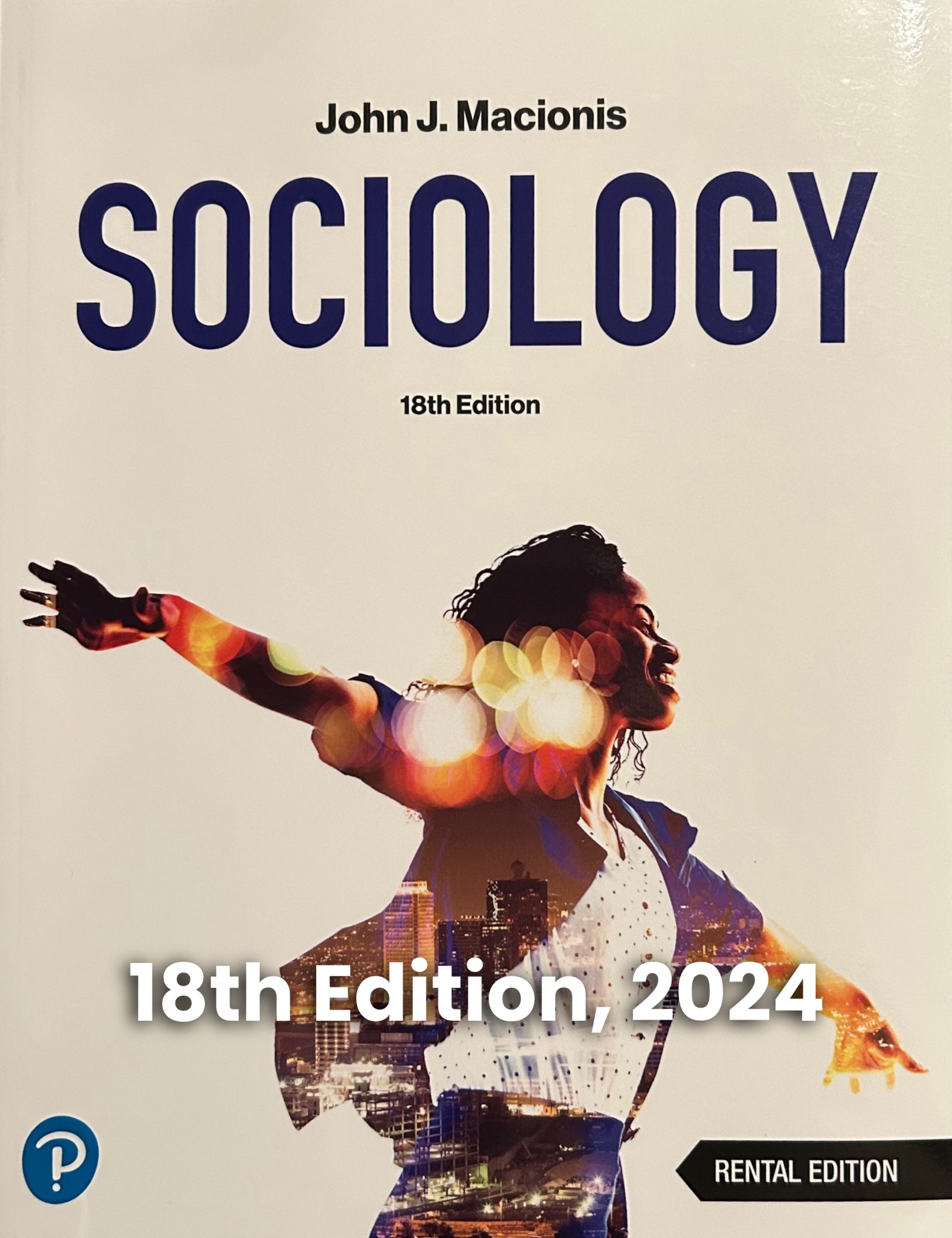
With years of experience across schools, community colleges, and universities, my primary goal has always been to offer the best-in-class material to my colleagues and students. In a rapidly changing world, it’s crucial that textbooks evolve as well. I believe that timely updates to book editions are essential to ensure relevance and accuracy, reflecting new knowledge.





For the first half of Good Trouble Season 1, Amy is notably single. She interacts with the residents—Mariana, Callie, Gael, Alice, and Davia—but her romantic life takes a backseat. This is a crucial breather for the character. Instead of rushing into a rebound, Amy focuses on her music studies and her job. This period highlights that romantic storylines are not the only defining feature of Amy Quinn; her friendships and career are equally important.
Whether you are a #TeamSarah loyalist or a #RedemptionMarcus truther, one fact remains undeniable: Amy Quinn has redefined what a romantic character arc looks like in the 21st century. She didn't need to be saved. She needed to be understood. And eventually, she was. amy quinn amy loves anal sex private society new
The breakup was devastating because there was no villain. Amy ends things in a rain-soaked parking lot (a visual callback to the Ethan breakup). She admits, "You deserve someone who doesn't feel panicked by peace. I keep waiting for the earthquake, because that’s the only weather I know." This storyline brilliantly argues that sometimes, the wrong relationship isn't a toxic one—it's simply the one that happens at the wrong time. For the first half of Good Trouble Season
Her first real storyline began in the autumn of her sophomore year. Her name was Chloe, a theater major with a laugh that sounded like wind chimes and a habit of quoting Rilke at inappropriate moments. They met in a coffee shop where Amy worked the early shift. Chloe ordered a matcha latte, spelled Amy’s name wrong on the cup (“Emmy”), and left her number on a napkin. For six weeks, Amy was dizzy. They kissed in the rain, made playlists, and had a fight about the ethical implications of The Graduate . Chloe broke up with her on a Tuesday. “You’re too much in your head,” she said. “You analyze love instead of feeling it.” Amy stood in the doorway, holding a half-dead succulent Chloe had given her, and decided she was done with artists. Instead of rushing into a rebound, Amy focuses
For the definitive fan guide, here is a subjective ranking of Amy’s relationships, from least to most impactful.
character is the most prominent in mainstream TV drama, the name also appears in other media contexts: In the Canadian series , a character named Amy Fleming has a defining long-term romance with
Amy's storylines often blended her career ambitions with her personal relationships.
The focus of my work remains writing what I hope are the most engaging, up-to-date, and change-focused texts in the field of sociology. In an age of outsourcing and cost saving, I still do the work the old-fashioned way--by myself, and I do what it takes to get it right. All the content, all the supplements, all the test questions are done “in house” so you can have complete confidence in accuracy and quality. The Revel digital learning material, which is fully functional on any and all computers and mobile devices, is interactive, current, and written to change lives and change society.
Why digital? This is the future and it is already here. Most of today’s students have experienced digital learning for their entire lives. Because students expect information to be available through electronic devices, they are most likely to complete assignments that are available online. There are other advantages as well. Our digital titles are completely ADA compliant, presenting material in ways that meet the needs of all people including those with various disabilities. Readers can modify screen size, just as students can choose to listen to content available in audio files.
Digital learning is also the answer to the long-time problem of high book prices: Revel titles are sold for less than half of cost of print books (and students may choose to purchase a supplemental print version for a small additional cost). Yes, they can also opt to rent print books for a very low cost.
Most important, digital allows all students to learn through discovery. Rather than passively reading a book, students interact with a digital title that invites the experience of active discovery. Every semester, I increase the interactive content of our titles. This is the bright future of learning. Will you join me and our students on this journey?
If you have questions or comments, I invite you to write to me at macionis@kenyon.edu


Here is a forty minute video lecture that examines income inequality beginning with my own Kenyon campus and then investigates broader patterns of inequality in diverse work settings, including education, medicine, and the world of finance. The presentation also contrasts public perceptions to the reality of wealth inequality.